
The pour-over is not precious. It is a filter, some hot water, and patience. Here is how to stop overthinking it.
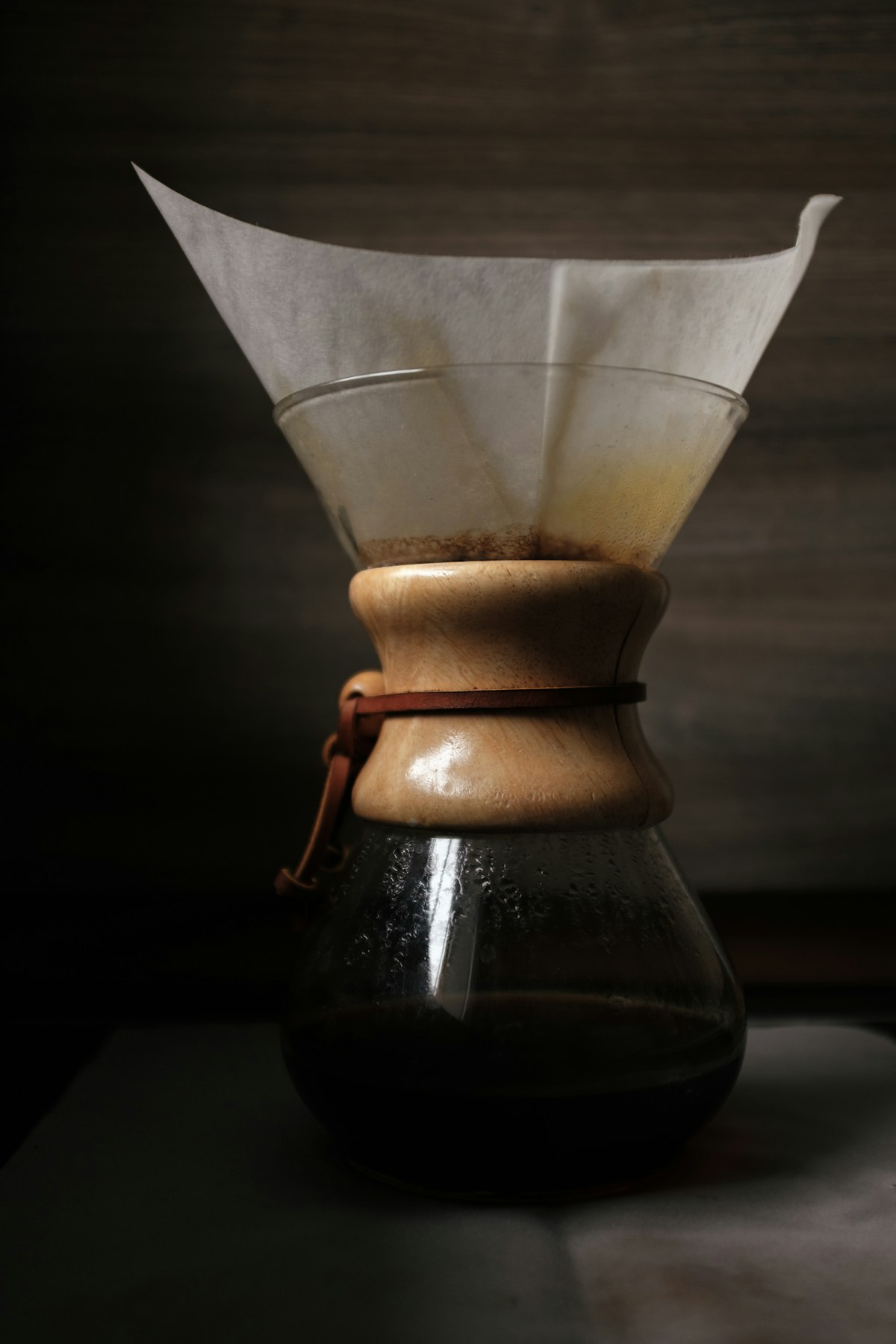
I say this because I have spent considerable time with people who believe that pour-over brewing requires a special kettle with a gooseneck spout and precise water temperature to the decimal point and pour circles timed to the beat of a metronome. Those people have made something beautiful into something anxious.
The pour-over works because it is simple. Hot water passes through ground coffee and a filter. Gravity does the work. You are not conducting an orchestra. You are making a cup of coffee.
What You Need
- A pour-over dripper. Melitta, Chemex, Hario V60 — any of them work. They all do the same thing.
- Filters. Paper or metal — both are fine. Paper is easier if you're starting out.
- A grinder. This actually matters. Buy whole beans and grind them the morning you brew. A burr grinder, not a blade grinder.
- Hot water. From a kettle. A gooseneck kettle is nice but not required.
- A cup. The one you like.
- About four minutes. That is the actual ingredient here.
The Method
1. Water temperature. Boil it. Let it sit for about a minute so it's not absolutely screaming hot — around 200 degrees Fahrenheit is ideal, but this does not need to be exact. If it's hot and you pour it onto coffee, the coffee will brew.
2. Grind size. For pour-over, you want medium-fine — think coarse sand. If your water runs through in thirty seconds, your grind is too coarse. If it takes six minutes, your grind is too fine. Aim for four to four-and-a-half minutes.
3. Coffee-to-water ratio. Start with 1 gram of coffee to 16 grams of water. So for a standard 12-ounce cup, that's about 21 grams of coffee and 340 grams of water. Use a scale if you have one; it makes a difference. If you don't have a scale, use two tablespoons of ground coffee per six ounces of water. Close enough.
4. Setup. Put your dripper on top of your cup. Put a filter in the dripper and rinse it with hot water — this removes the paper taste and preheats everything. Discard the rinse water.
5. The bloom. Pour just enough hot water to wet the ground coffee — about 50 grams if you're measuring. Wait 30 to 45 seconds. This lets the coffee release gas and begin to open up.
"The pour-over is not precious. It is a filter, hot water, and patience. The anxiety is optional."
— Elena Whitfield, The Roastery
6. The pour. Slowly add the remaining hot water in a steady stream. Not in a circle — that is aesthetic and unnecessary. Just pour. It should take two to three minutes to add all the water. Listen to the sound. Feel the warmth of the cup in your hands.
7. Wait. When all the water has dripped through, you are done. Remove the dripper. The whole process, from bloom to finish, should be four to four-and-a-half minutes.
Adjustments
If your coffee tastes thin or weak: your grind is too coarse, or you're not using enough coffee. Try either a finer grind or add a half-gram more coffee per ounce of water.
If your coffee tastes bitter: your grind is too fine. Make it slightly coarser. You're over-extracting — the water is sitting with the coffee too long.
If you like the flavor but want it stronger: use more coffee, not less water. The ratio is what matters.
The Real Point
The pour-over exists because it is direct. You can taste what you have done. You can adjust and learn and improve. You can also, if you choose, simply pour hot water on good coffee and drink it without overthinking.
We recommend the second approach. Start simple. If you want to get more precise, the pour-over rewards that attention. But the anxiety of precision is not required for a good cup.
Use fresh-roasted coffee. Grind it that morning. Pour hot water through it. Drink it within a few minutes of it finishing. That is everything you need to know.