
Maria Lopez has been growing coffee in the Marcala highlands for thirty years. She once made me wait three days before agreeing to a single conversation.
I learned, standing on her porch in the rain, that this was not rudeness. It was a principle.
The first time I arrived at her farm was in 2018. I was younger then, hungrier — in the way that people who trade in coffee are hungry. I had heard about her through conversations in Tegucigalpa, whispers from other roasters and importers who said she grew the kind of coffee that made you reconsider everything. I wanted it. I arrived unannounced, hoping to charm her into a deal.
She told me to come back in three days.
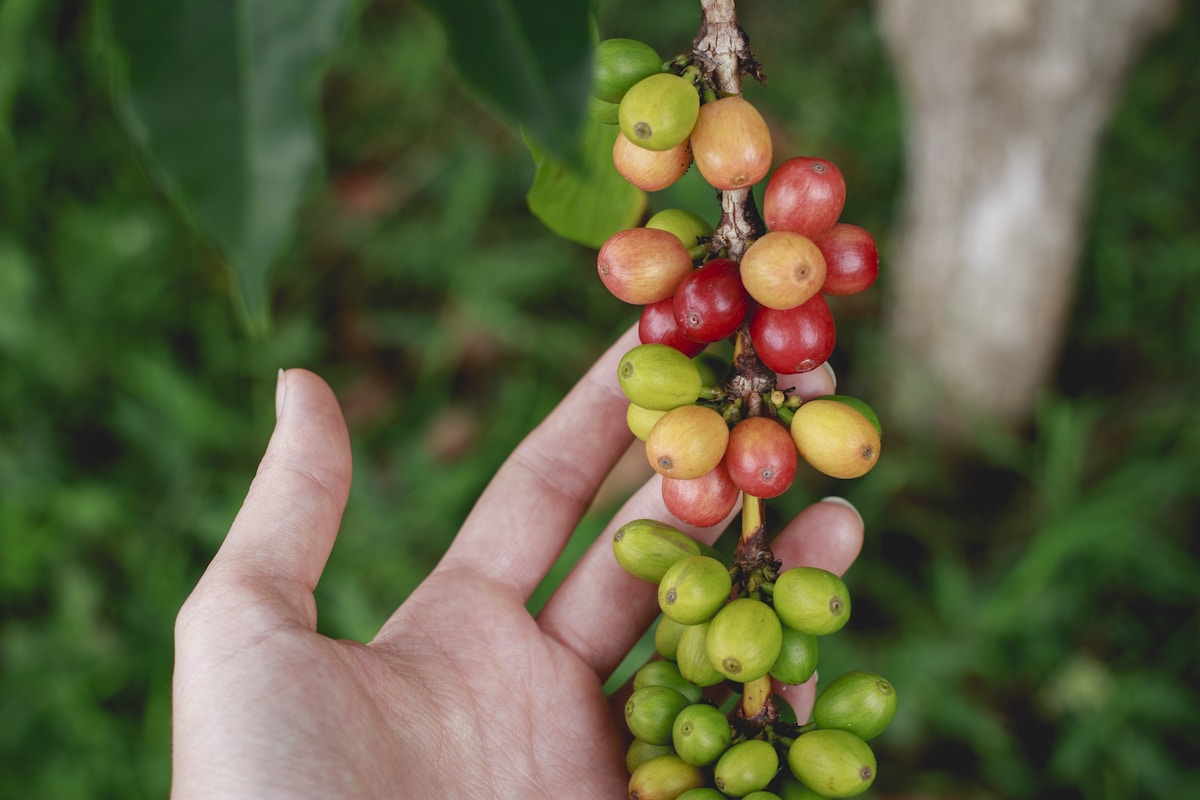
Not because she was busy. Not because she was testing me, though perhaps she was. She said it because the current lot — coffee cherries in their final days of fermentation — needed to stay unmolested for seventy-two more hours. They had their own timeline. No conversation with a foreigner in a wrinkled shirt was going to accelerate it.
Marcala sits at 1,700 meters in the western highlands, a region so steep that you wonder how anyone ever decided coffee could grow here. But the altitude, the rainfall, the volcanic soil — all of it combines into something remarkable. The coffee that grows on these hillsides has a character that reminds me of Maria herself: strong-willed, complex, unapologetic.
"When someone cares enough to visit, you give them your best harvest. It is simple."
— Maria Lopez, Marcala, Honduras
When I returned on day four, we talked for six hours. She showed me fermentation beds where coffee cherries sat in the shade, pulsing slowly through the microbial dance that would define their flavor. She showed me the elevation markers on her land — some blocks at 1,650 meters, others at 1,900. She explained how the higher plots made slower coffee, denser coffee, coffee that took time to develop but then stayed interesting in the cup for months.
She also showed me her hands. They were scarred. Calloused. The hands of someone who had spent three decades doing something difficult because it mattered.
"You can rush coffee," she said. "You can force it. But it will taste like you were in a hurry."
The San Marcos Natural we source from her — Lot CL-25-HON-05 — carries all of this. It's a natural process coffee, which means the whole cherry fermented on raised beds for twelve days under the Marcala sun. What emerges is something unexpected: bright peach notes on the nose, milk chocolate through the middle, a finish that tastes like hazelnut and holds for a very long time. It's a coffee that refuses to be rushed even in the cup — it develops and shifts and reveals itself over twenty minutes if you let it.
Elena and I visit Maria's farm once a year now. We still taste coffee with her, still ask too many questions about processing times. But we've learned to sit with the quiet moments too. To understand that the best thing she has to teach us is not a technique or a secret. It's patience.
We try to remember that when we are at the drum.